
Understanding credit scores in South Africa is the starting point for anyone who wants to take control of their financial life, access better credit options, and avoid costly mistakes. In a country where credit plays a central role in daily consumption, housing, and even employment opportunities, your credit score silently influences decisions made about you. Therefore, knowing how it works is no longer optional, it is essential.
Understanding credit scores in South Africa goes far beyond knowing whether your score is “good” or “bad.” In reality, it involves understanding how your behavior is interpreted by credit bureaus, how lenders assess risk, and why two people with similar incomes can receive completely different credit decisions. From cellphone contracts to home loans, your score acts as a financial passport.
Moreover, Understanding credit scores in South Africa allows you to move strategically. Instead of reacting to rejections or high interest rates, you begin to anticipate outcomes, optimize your profile, and build long-term financial credibility. In this article, we break down how the system works, what truly impacts your score, and how to use this knowledge to your advantage in a competitive credit market.
Understanding Credit Scores in South Africa: How the System Is Structured
To truly grasp Understanding credit scores in South Africa, it is important to first understand the structure behind the system. South Africa relies on multiple credit bureaus, each collecting and analyzing consumer credit data. These bureaus compile information reported by banks, retailers, lenders, and service providers to generate a numerical score that represents your creditworthiness.
Unlike a single centralized model, South Africa operates with several scoring models. As a result, your score may vary slightly depending on which bureau a lender consults. However, the underlying logic remains consistent: lenders want to predict how likely you are to repay debt responsibly. Consequently, your past behavior becomes the strongest indicator of your future actions.
Another key aspect is that credit scores in South Africa are dynamic. They change constantly based on your activity. Even small actions, such as paying an account a few days late or applying for multiple credit products in a short period, can influence your score. Therefore, credit scoring is not a one-time assessment, but rather an ongoing evaluation of your financial discipline.
Understanding Credit Scores in South Africa: What Really Influences Your Score
When discussing Understanding credit scores in South Africa, many people assume income is the main factor. Surprisingly, income plays a minor role compared to behavior. Instead, payment history stands as the most influential component. Consistently paying accounts on time sends a strong signal of reliability, while missed or late payments can damage your score quickly.
In addition, credit utilization has a significant impact. This refers to how much of your available credit you are actually using. Even if you pay on time, consistently using a high percentage of your credit limits may indicate financial strain. As a result, lenders may view you as a higher-risk borrower, despite punctual payments.
Furthermore, the length and diversity of your credit history also matter. A longer credit record provides more data points for evaluation, while a healthy mix of credit products, such as retail accounts, personal loans, and credit cards, demonstrates your ability to manage different financial obligations. On the other hand, frequent credit applications within a short timeframe can raise red flags, suggesting financial instability or overreliance on borrowing.
Understanding Credit Scores in South Africa: How to Use Your Score Strategically
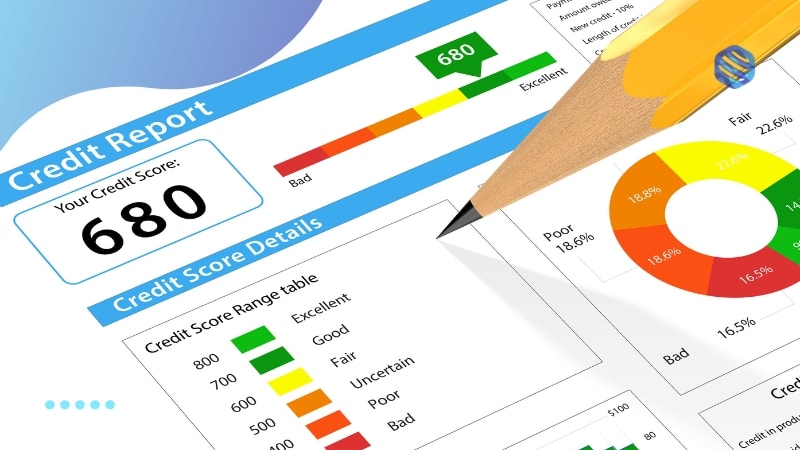
When navigating your financial journey, it is essential to consider How to Prepare Financially for Healthcare Costs as a core component of your long-term stability. In the South African context, strategically leveraging a high credit score can grant you access to specialized medical financing or lower interest rates on personal loans during emergencies.
By maintaining a healthy credit profile, you ensure that you have the necessary financial flexibility to manage unexpected medical bills without compromising your overall wealth-building goals.
Mastering Understanding credit scores in South Africa is not just about improving numbers. It is about using your score strategically to unlock better opportunities. A strong score can lead to lower interest rates, higher approval chances, and more favorable repayment terms. Conversely, a weak score often results in higher costs and limited options.
Below are three strategic pillars that can help you actively strengthen and leverage your credit profile:
1. Build Predictability Through Consistency
Lenders value predictability. By maintaining regular payment patterns and avoiding sudden spikes in debt usage, you create a stable financial profile. Over time, this consistency becomes a powerful trust signal that improves your negotiating position with lenders.
2. Manage Credit Proactively, Not Reactively
Instead of waiting for problems to arise, proactive credit management involves monitoring your credit report, correcting inaccuracies, and planning credit applications carefully. This approach minimizes unnecessary risks and ensures that each financial move aligns with your long-term goals.
3. Align Credit Use With Long-Term Financial Goals
Every credit decision should serve a purpose. Whether you aim to qualify for a home loan or reduce overall debt costs. Aligning your credit behavior with clear objectives allows your score to work for you, not against you. Strategic borrowing, when done correctly, becomes a financial tool rather than a burden.
Official Credit Resources in South Africa
If you want to stay on top of your game, you should definitely check out TransUnion South Africa. Which is one of the primary credit bureaus in the country. They provide a comprehensive breakdown of your credit history and help you understand how lenders view your profile.
Another essential platform is Experian South Africa, where you can access your “Up” report to monitor your credit score for free. Both sites are “lekker” for ensuring your details are 100% correct and up to date.
Conclusion
In conclusion, Understanding credit scores in South Africa empowers you to navigate the financial system with confidence and intention. Your credit score is not a mysterious number controlled by institutions beyond your reach; rather, it is a reflection of everyday financial choices. By understanding how the system is structured, what truly influences your score, and how to use it stategically, you gain control over your financial narrative.