
Smart home technology in South Africa has rapidly evolved from a niche luxury to a rising expectation among modern homeowners. As consumers become increasingly aware of global digital trends, the demand for automation, energy efficiency and remote monitoring grows stronger.
In this context, the presence of bold innovations, alongside affordable solutions, finally positions the sector for mainstream adoption. Importantly, the phrase smart home technology in South Africa continues to shape conversations around convenience and digital lifestyle.
Even though smart home technology in South Africa is expanding at an impressive pace, the reality on the ground is unique compared to other regions. Local challenges, such as load-shedding, high data costs and fragmented infrastructure, create an environment where innovation must be highly contextual. Because of these nuances, companies are designing systems that not only automate daily tasks but also enhance resilience, especially during power interruptions. As a result, the ecosystem adapts to the country’s specific demands while still embracing global advancements.
Furthermore, South Africans are increasingly interested in connected devices that offer meaningful utility, not just futuristic appeal. Therefore, products designed to save energy, protect property, optimize appliance usage and increase personal safety are attracting widespread attention. For a generation seeking control, personalization and smarter living, the future appears more promising than ever.
The Growth of Smart Home Adoption and Local Market Dynamics
South Africa’s smart home market is gaining momentum thanks to improved broadband access, falling hardware prices and a cultural shift toward digital convenience. Although the country still battles inconsistent connectivity in certain regions, the availability of fibre-to-home networks in major cities has helped consumers feel more confident investing in connected devices.
Moreover, local retailers and telecom providers are promoting smart bundles, combining routers, IoT hubs and compatible gadgets, which encourages adoption among first-time users.
In addition, a growing middle class shows strong interest in creating more secure and energy-efficient homes. Because crime rates remain a significant concern, smart security features such as AI motion-detection cameras, tamper-proof alarms and remote doorbell systems have surged in popularity. Interestingly, homeowners now prioritise automation for safety before comfort, which differs sharply from trends in Europe or North America.
Another relevant factor is South Africa’s ongoing energy crisis. Load-shedding has turned smart devices into essential tools for managing power availability. Users increasingly purchase smart plugs, solar-linked monitoring apps and consumption dashboards to track energy levels. Consequently, the market shifts from simple convenience gadgets to practical survival tools, reshaping what “smart living” means in the country.
Technologies That Are Shaping South African Smart Homes
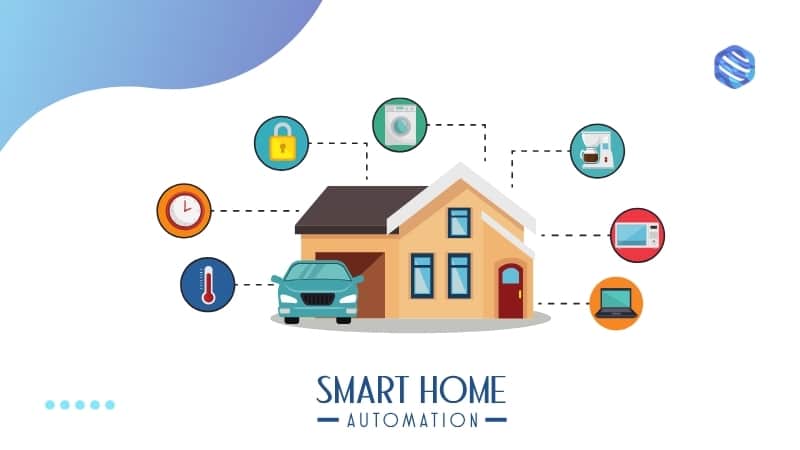
The technological landscape in South Africa stands out because it blends global innovation with hyperlocal problem-solving. Smart lighting systems, for instance, are commonly integrated with backup power sources. This allows residents to maintain illumination even during outages. Likewise, sensors that monitor water usage are rising in popularity due to recurring droughts, helping families manage consumption more responsibly.
Voice assistants are becoming especially popular among younger consumers who value hands-free control, yet adoption remains strategically selective. Because many homes face intermittent network interruptions, users prefer hybrid systems that operate both online and offline. This creates a unique environment where smart ecosystems are designed with redundancy and adaptability in mind.
Another strong trend lies in subscription-based monitoring services. Rather than investing heavily upfront, South Africans often choose monthly smart-security plans that include installation, updates and professional assistance. This flexible model is making previously expensive technology financially accessible to a larger portion of the population.
Furthermore, local companies are investing in AI-driven analytics that study behavioural patterns, electricity consumption and movement around the property. These insights allow homeowners to adjust their routines more intelligently, reduce costs and prevent unnecessary system failures.
Challenges and Opportunities for the Future of Smart Homes
Smart homes continue to evolve in response to rising consumer expectations, and this shift opens space for new discussions about accessibility, security, and long-term sustainability. As innovation expands, the question What is Technology becomes even more relevant, guiding how devices integrate into daily routines and how users adapt to increasingly automated environments. Although challenges such as privacy risks and high implementation costs persist, the growing availability of scalable solutions reveals promising opportunities for smarter, safer, and more efficient living spaces.
1. Integrating Systems in a Fragmented Market
One of the most persistent obstacles is the lack of standardised compatibility across devices. Because consumers often mix international brands with locally developed systems, configurations can become complex. Still, domestic manufacturers are working on unified IoT hubs to simplify automation, opening doors for smoother integration and wider adoption.
2. Addressing Cybersecurity Risks
As homes become more connected, cybersecurity remains a major concern. South African users are increasingly aware that their devices collect sensitive information. Consequently, companies must invest in encrypted protocols, frequent software updates and transparent data-handling practices. Fortunately, this awareness fuels innovation and raises overall industry standards.
3. Expanding Access Beyond Urban Centres
While major cities show rapid adoption, rural and peri-urban areas continue to face affordability and infrastructure barriers. However, new low-power IoT networks and solar-compatible devices promise to bridge this divide. Manufacturers are racing to produce more resilient hardware at accessible price points, which may redefine the national smart home landscape over the next decade.
🇿🇦 Smart Home Technology in South Africa: Market Leaders and Solutions
The market for smart home technology in South Africa is rapidly expanding, with several companies offering cutting-edge automation and connectivity solutions. Two key official sites providing products and services in this space are:
Furthermore, Control4 South Africa presents a wide range of customisable smart home solutions focused on security, entertainment, and convenience.
Conclusion
In summary, smart home technology in South Africa is experiencing an exciting transformation driven by necessity, creativity and a desire for better living. Although challenges such as load-shedding, compatibility issues and security risks still exist, innovation continues to accelerate.
As companies refine technologies to match the realities of South African households, connected living will become increasingly attainable, practical and deeply relevant. Ultimately, the country is shaping a unique smart home identity — one that blends global advancements with local resilience, proving that the future of digital living is not only bright but also distinctly South African.