
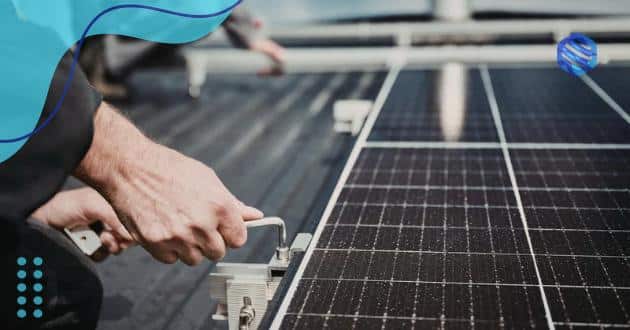
There’s a quiet revolution happening right now, and it’s powered by the sun, wind, water, and even the heat beneath our feet. Renewable energy technologies are no longer just a “green dream” or something reserved for the future. They’re here, they’re evolving fast, and they’re changing how the world thinks about energy. As climate concerns grow and fossil fuels become less sustainable, societies are shifting toward cleaner alternatives. But beyond the headlines, what’s really driving this transition? And why should we care?
What Are Renewable Energy Technologies?
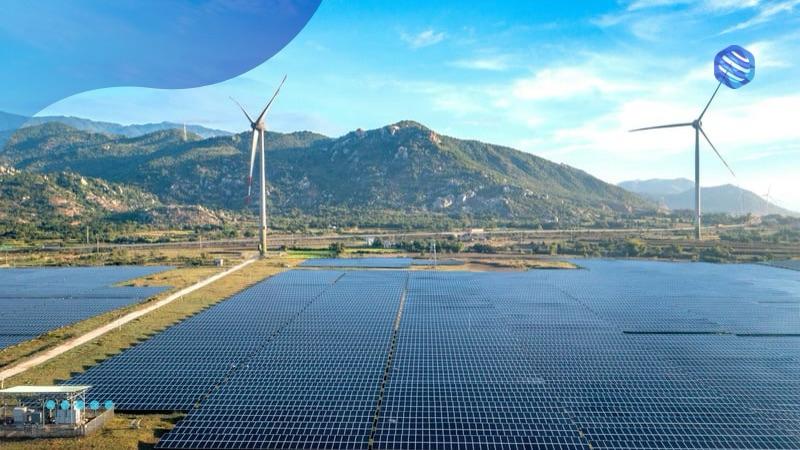
In simple terms, renewable energy technologies are systems that generate power from natural resources that won’t run out—like sunlight, wind, water, and geothermal heat. Unlike fossil fuels, these energy sources regenerate naturally and produce little to no greenhouse gas emissions.
The key technologies include:
- Solar energy systems
- Wind turbines
- Hydropower plants
- Geothermal energy systems
- Biomass energy solutions
Each of these plays a unique role in reshaping the global energy landscape. And more importantly, they’re becoming more accessible and efficient every year.
Solar Energy: The Power of the Sun
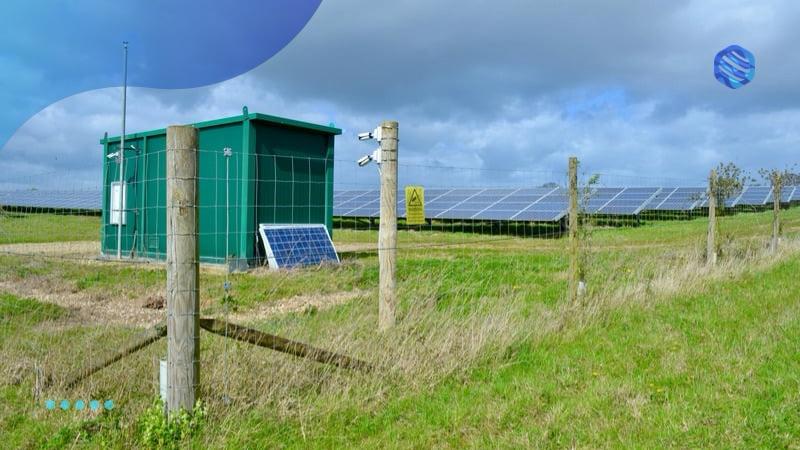
Solar panels convert sunlight into electricity using photovoltaic (PV) cells. What used to be expensive and inefficient is now becoming one of the cheapest sources of electricity worldwide. Countries with high solar exposure, like Brazil, are especially benefiting from this shift. Renewable Tech News in Pretoria highlights how global advancements are accelerating solar adoption even in emerging markets.Solar panels convert sunlight into electricity using photovoltaic (PV) cells. What used to be expensive and inefficient is now becoming one of the cheapest sources of electricity worldwide. Countries with high solar exposure, like Brazil, are especially benefiting from this shift.
Even better, solar technology is becoming more flexible. You’ll find solar panels on rooftops, integrated into buildings, and even floating on water. As battery storage improves, solar energy is also becoming more reliable, even when the sun isn’t shining. If you want to explore more about solar advancements, check this out: iea.org
Wind Energy: Harnessing Natural Movement
Wind turbines capture kinetic energy from the wind and convert it into electricity. While those massive wind farms might look futuristic, they’re already a major part of energy production in many countries.
There are two main types:
- Onshore wind (land-based turbines)
- Offshore wind (installed in oceans or seas)
Offshore wind, in particular, is growing fast because wind speeds are stronger and more consistent at sea. This means higher energy output.
And here’s something interesting—modern turbines are becoming smarter. With AI and predictive maintenance, they can optimize performance and reduce downtime.
Hydropower: Energy from Water
Hydropower is actually one of the oldest renewable energy technologies—and still one of the most widely used.
It works by using flowing water (usually from dams) to spin turbines and generate electricity. It’s reliable, efficient, and capable of producing large amounts of power.
However, it’s not perfect. Large dams can impact ecosystems and communities. That’s why newer approaches, like small-scale hydro and run-of-river systems, are gaining attention. These methods generate energy with less environmental disruption.
Geothermal Energy: Heat from the Earth
Geothermal energy might not be as popular as solar or wind, but it’s incredibly powerful.
This technology taps into the Earth’s internal heat to produce electricity or provide direct heating. It’s consistent, reliable, and doesn’t depend on weather conditions.
Countries with volcanic activity, like Iceland, have mastered geothermal energy. But new drilling technologies are expanding its potential to other regions as well.
Biomass Energy: Turning Waste into Power
Biomass energy is all about using organic materials—like agricultural waste, wood, or even food scraps—to generate energy.
It works by burning or processing these materials to produce heat or electricity. While it does release carbon dioxide, the impact is considered neutral because the plants used in biomass absorb CO₂ during their lifecycle.
Still, it needs to be managed carefully. Unsustainable biomass practices can lead to deforestation or pollution. But when done right, it’s a smart way to reduce waste and generate energy at the same time.
Why Renewable Energy Technologies Matter
Now here’s the real question, why is everyone talking about renewable energy technologies?
There are three main reasons:
First, climate change. Fossil fuels are the biggest contributors to greenhouse gas emissions. Switching to renewable energy helps reduce that impact.
Second, energy security. Countries that rely heavily on imported fuels are vulnerable to price fluctuations and geopolitical issues. Renewable energy allows nations to produce their own power.
Third, economic growth. The renewable energy sector is creating millions of jobs worldwide. From engineers to technicians, it’s opening new career paths and boosting local economies.
The Role of Innovation
Innovation is pushing renewable energy technologies to the next level.
- More efficient solar panels
- Larger and more powerful wind turbines
- Advanced energy storage systems
- Smart grids that optimize energy distribution
Battery technology, in particular, is a game changer. It allows excess energy to be stored and used later, solving one of the biggest challenges of renewable energy, intermittency. To dive deeper into global renewable trends, visit, irena.org.
Challenges Still Exist
Let’s be real, renewable energy technologies aren’t perfect. Some of the main challenges include:
- High initial investment costs
- Infrastructure limitations
- Energy storage issues
- Environmental concerns in certain cases
However, these challenges are being addressed quickly. Costs are dropping, technology is improving, and governments are investing more in clean energy solutions.
The Future of Renewable Energy Technologies
Looking ahead, the future of renewable energy technologies is not just promising, it’s inevitable.
Experts predict that renewables will dominate global energy production within the next few decades. Cities are becoming smarter, homes are becoming energy-efficient, and transportation is shifting toward electric solutions.
And perhaps most importantly, individuals are becoming more aware. People are choosing cleaner energy options, installing solar panels, and supporting sustainable practices.
Conclusion
Renewable energy technologies are more than just an alternative—they’re the foundation of a sustainable future. From solar panels capturing sunlight to wind turbines spinning across landscapes, these innovations are redefining how we power our lives.
The shift isn’t happening overnight, but it’s happening faster than ever before. And as technology continues to evolve, the possibilities are only growing.
In the end, the question isn’t whether we’ll fully adopt renewable energy—it’s how fast we’ll get there.